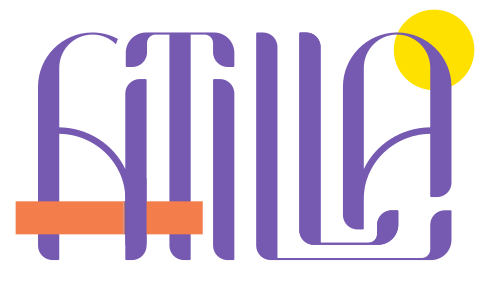

Typography Creates Hierarchy
Typography does more than give words a visual style. It helps readers understand where to begin, what matters most and how different pieces of...
Category:Genel
A design project continues after the final presentation. The files need to work for the people who will use them: clients, printers, developers and...
Print finishing adds another dimension to a design through texture, reflection and physical form. Embossing creates a raised impression, foil stamping introduces a distinct...
A strong layout begins with an understanding of what the reader needs to find. Before choosing a typeface or arranging images, it helps to...
A logo must work in conditions very different from the presentation in which it was approved. A mark that feels balanced at a large...
Paper is an active part of a printed design. Its shade, surface, opacity and stiffness influence how the piece looks, feels and functions. The...
A grid gives a layout a dependable structure. Margins define the relationship between content and the edge of the page, columns organize text and...
A brand becomes recognizable through the repeated use of related visual elements. Typography, color, image treatment and composition build familiarity when they follow a...
Packaging design begins with understanding the object, its structure and how it will be produced. A dieline maps the panels, folds, cuts and glue...
A screen creates color with light, while print depends on ink, paper and reflected light. These different processes reproduce different ranges of color. Some...