A strong layout begins with an understanding of what the reader needs to find. Before choosing a typeface or arranging images, it helps to identify the main message, supporting information and details that require closer reading. These distinctions give the design a meaningful hierarchy.
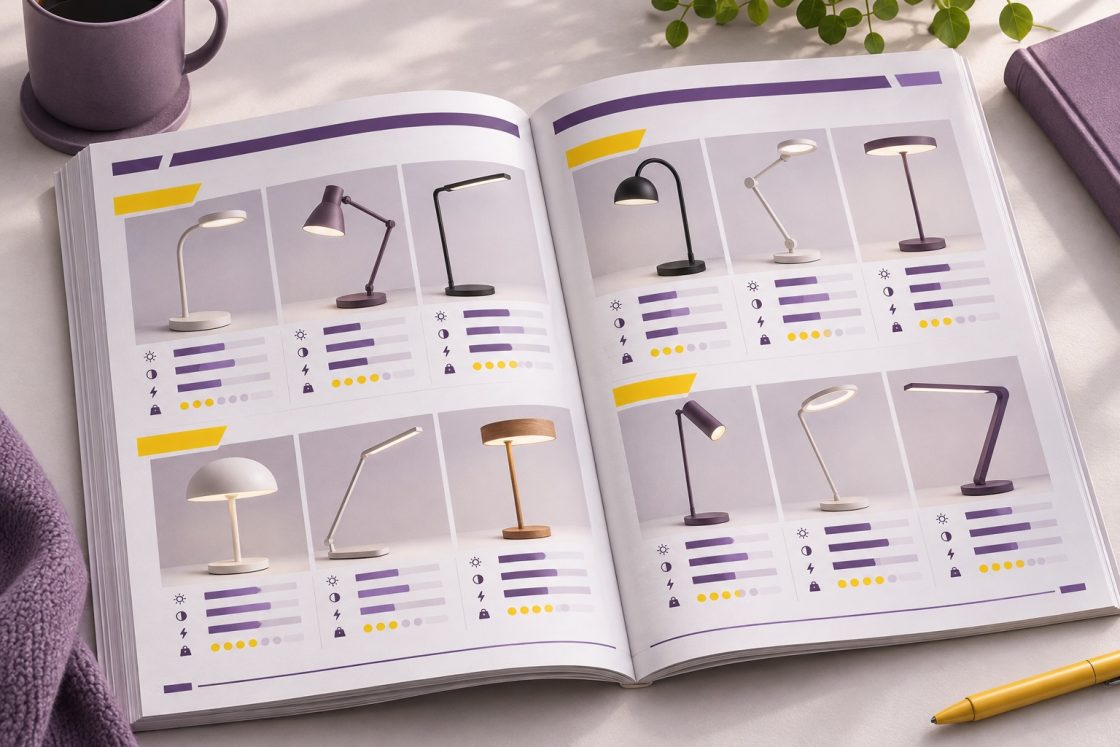
Working with representative content reveals practical demands early. Long headings, product specifications, captions and tables place different pressures on a layout. A composition built entirely around short placeholder text may need substantial changes when the real material arrives.
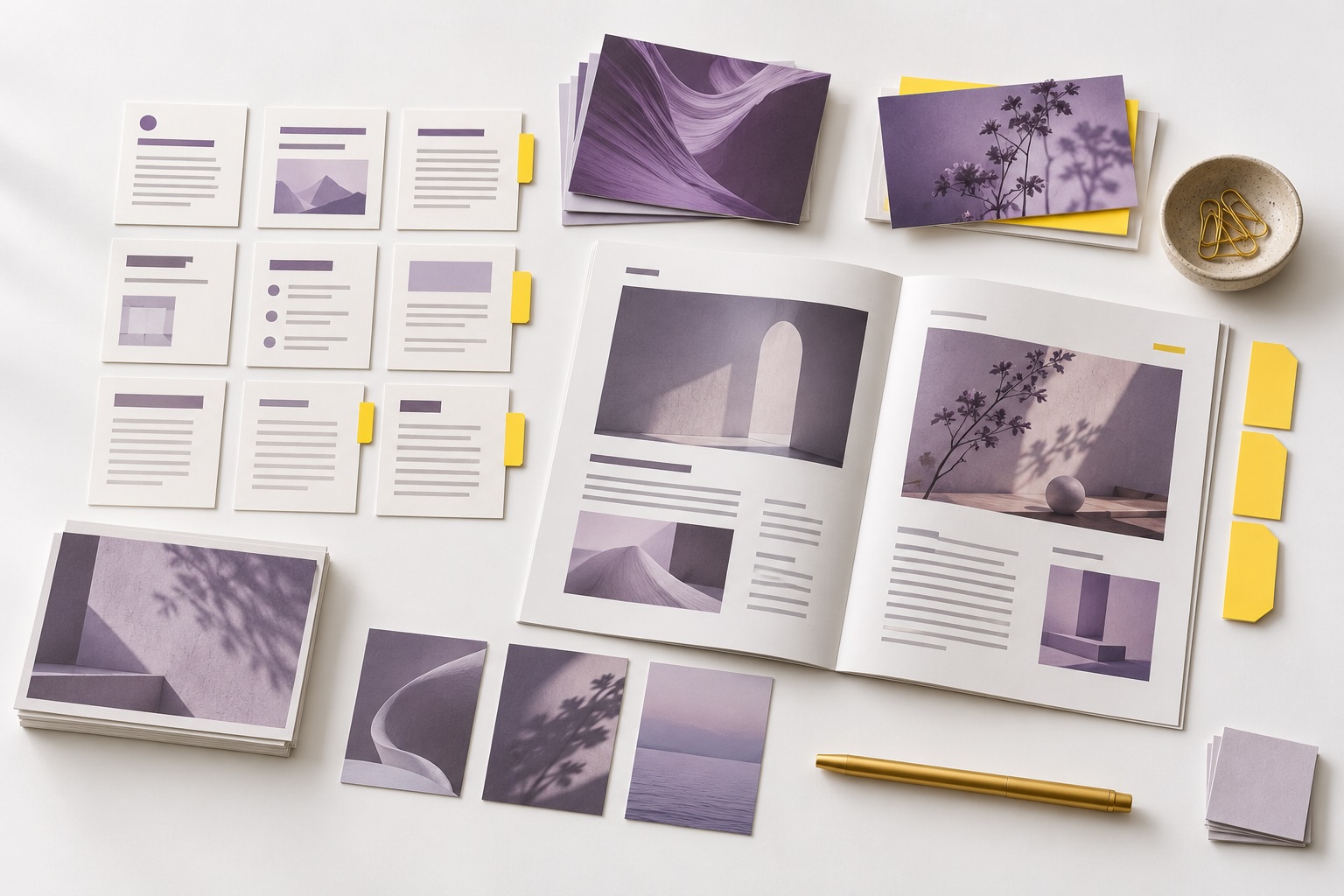
Content planning also creates opportunities to simplify. Repeated information can follow a shared pattern, related details can be grouped, and supporting images can sit near the text they explain. The aim is to help readers move through the material with confidence, rather than asking them to decode the layout.